Industrial Roofing Services
in Southwest Chicagoland
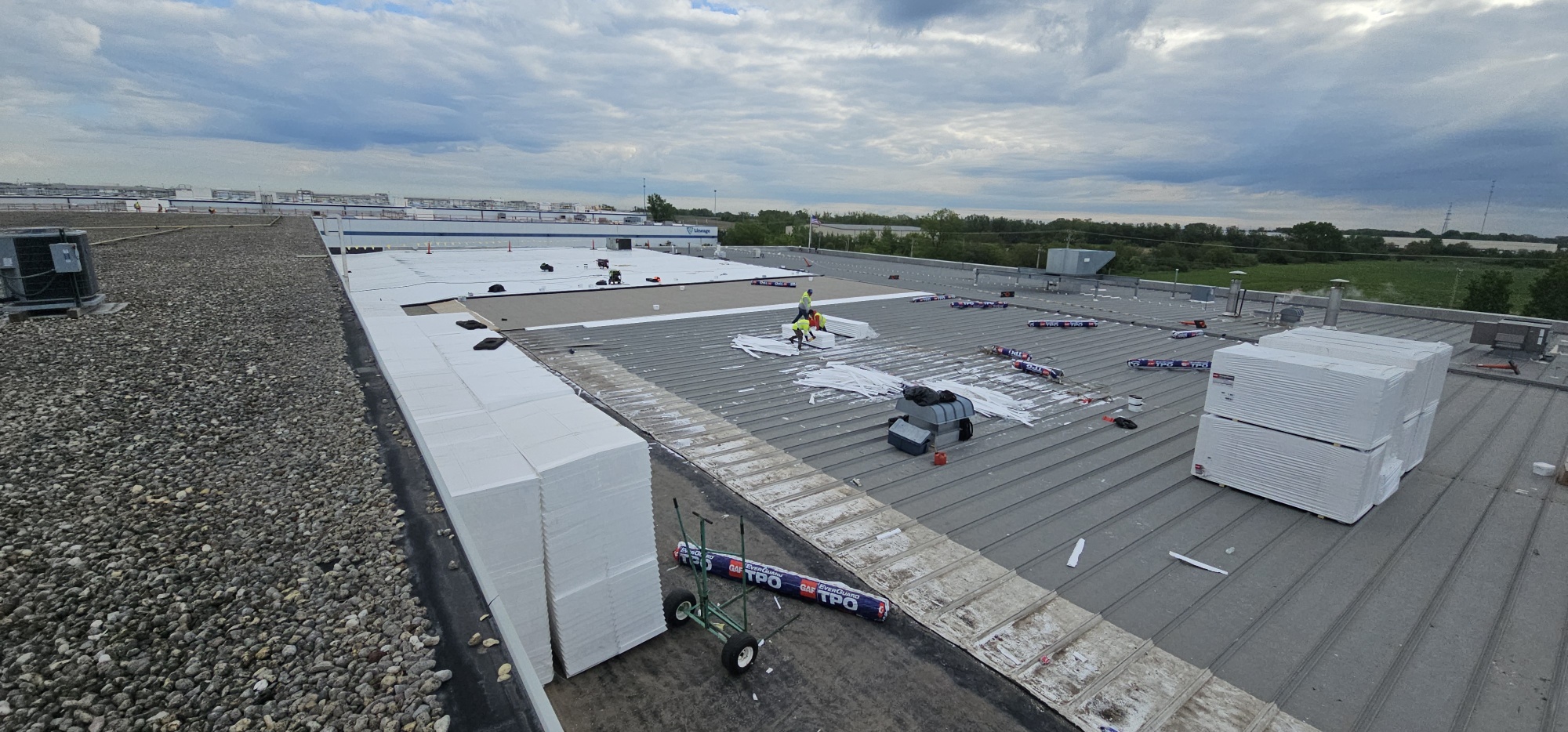
Durable Roofing provides industrial roofing services for warehouses, manufacturing plants and other facilities throughout Southwest Chicagoland. Each project is planned to protect both the roof and the operations below, including production, inventory, employees, shipping schedules and rooftop equipment.
Our process connects documented roof conditions with a defined scope, facility coordination and professional project management from evaluation through closeout.
 Serving warehouse & industrial properties since 1917
- Large-scale and complex-access roofing capability
- Documented inspections, scopes & project reporting
- Phased scheduling around active facility operations
Industrial Roofing Services in Southwest Chicagoland
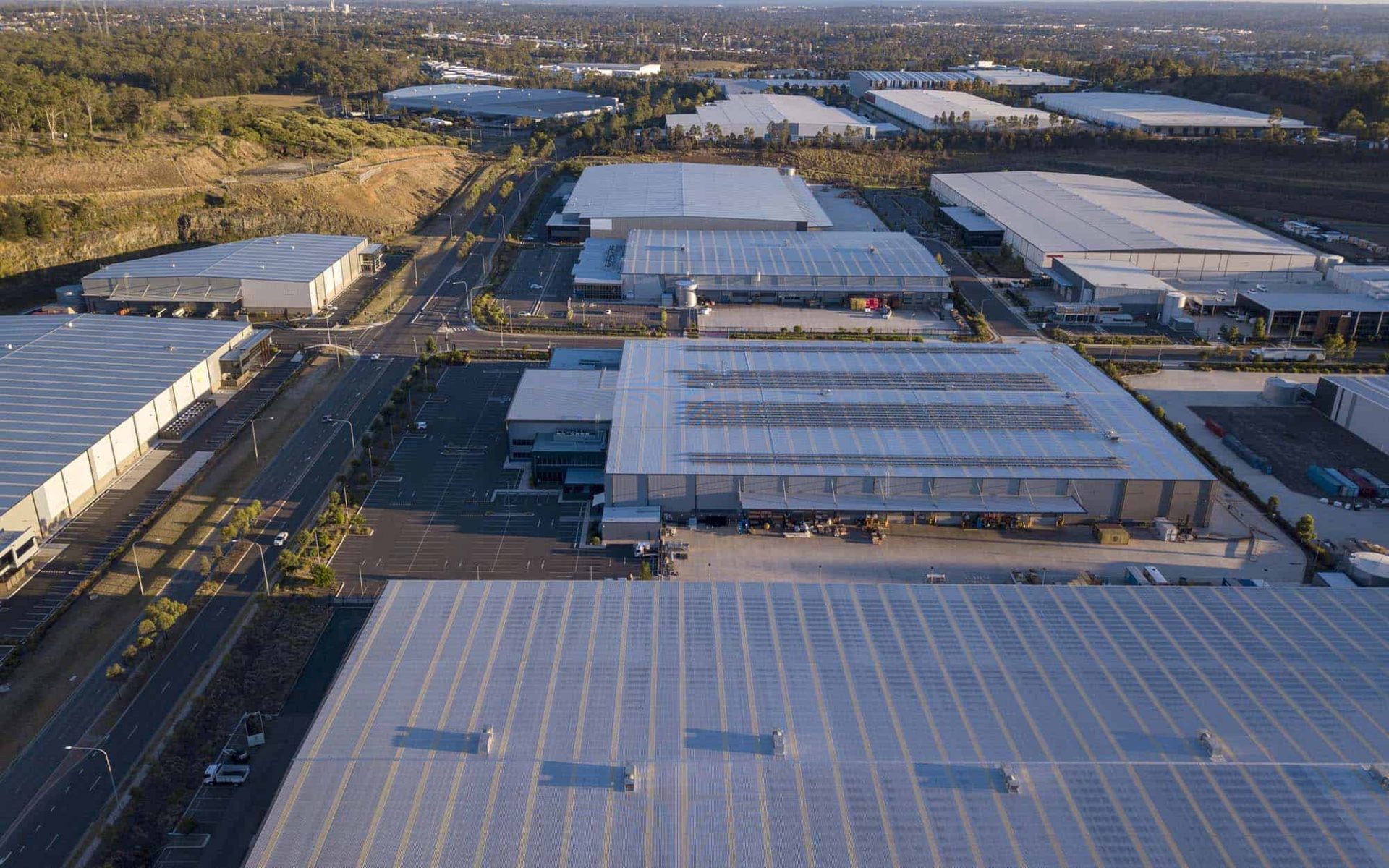
Durable Roofing provides industrial roofing services for warehouses, manufacturing plants and other facilities throughout Southwest Chicagoland. Each project is planned to protect both the roof and the operations below, including production, inventory, employees, shipping schedules and rooftop equipment.
Our process connects documented roof conditions with a defined scope, facility coordination and professional project management from evaluation through closeout.
- Serving warehouse & industrial properties since 1917
- Large-scale and complex-access roofing capability
- Documented inspections, scopes & project reporting
- Phased scheduling around active facility operations

Industrial Roofing Services for Warehouses & Facilities
Roof age, previous repairs, moisture, drainage, insulation, deck condition, rooftop equipment and ownership plans can affect whether repair, restoration, re-roofing or replacement is most practical.
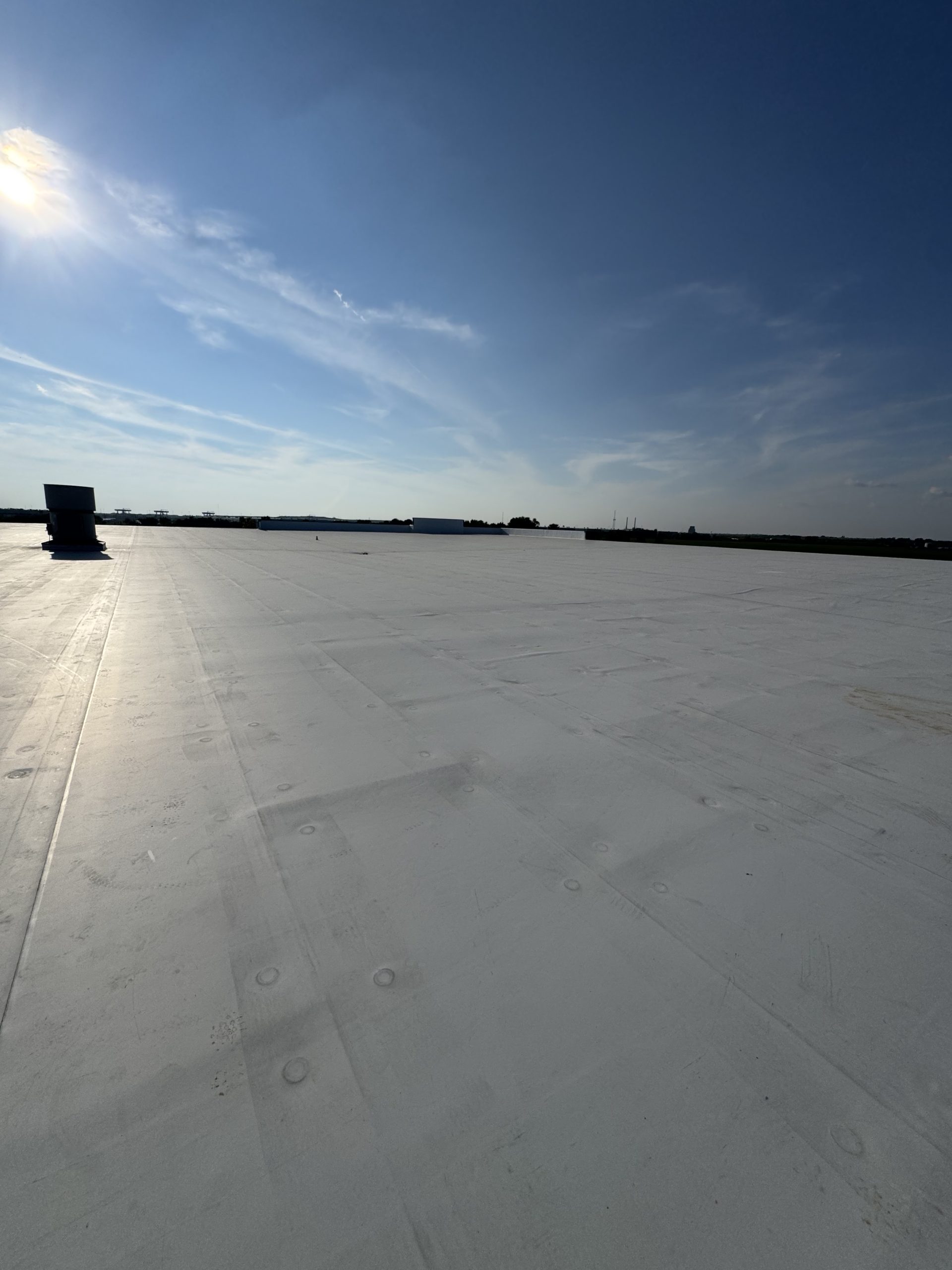
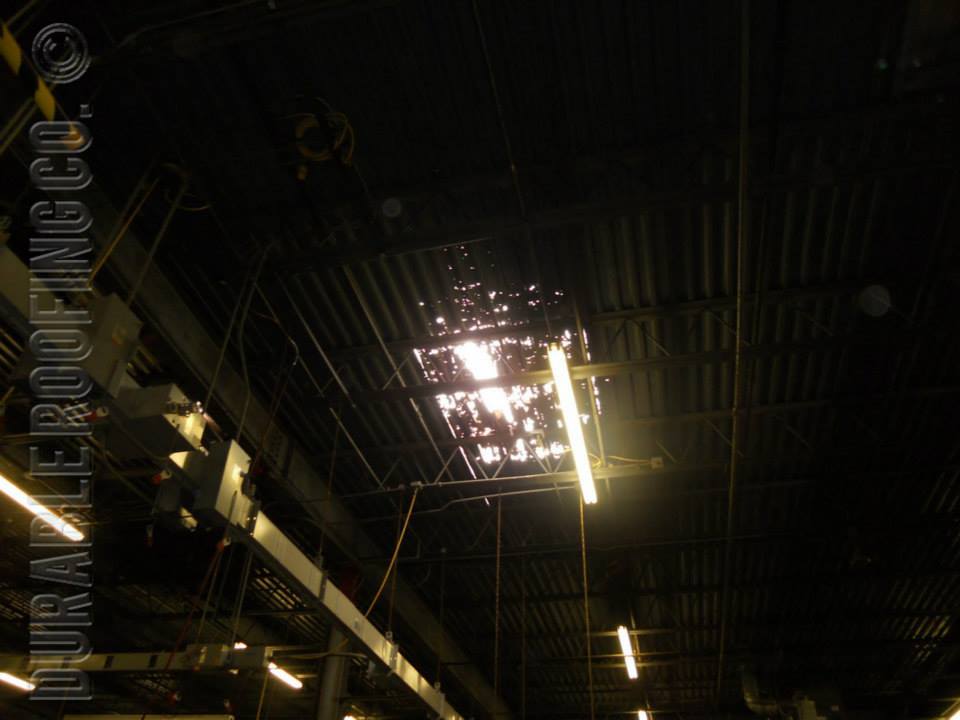
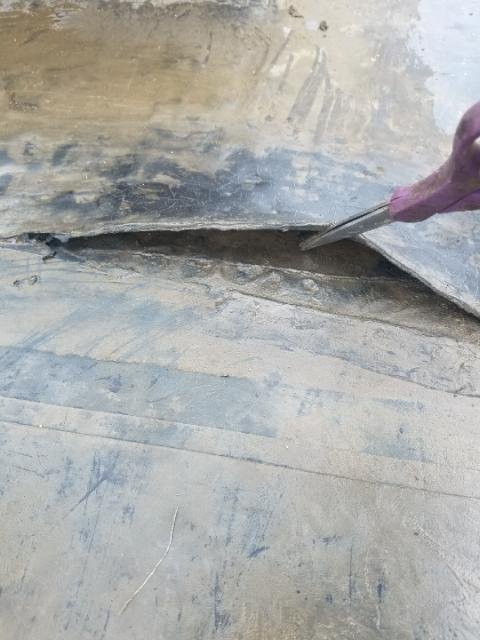
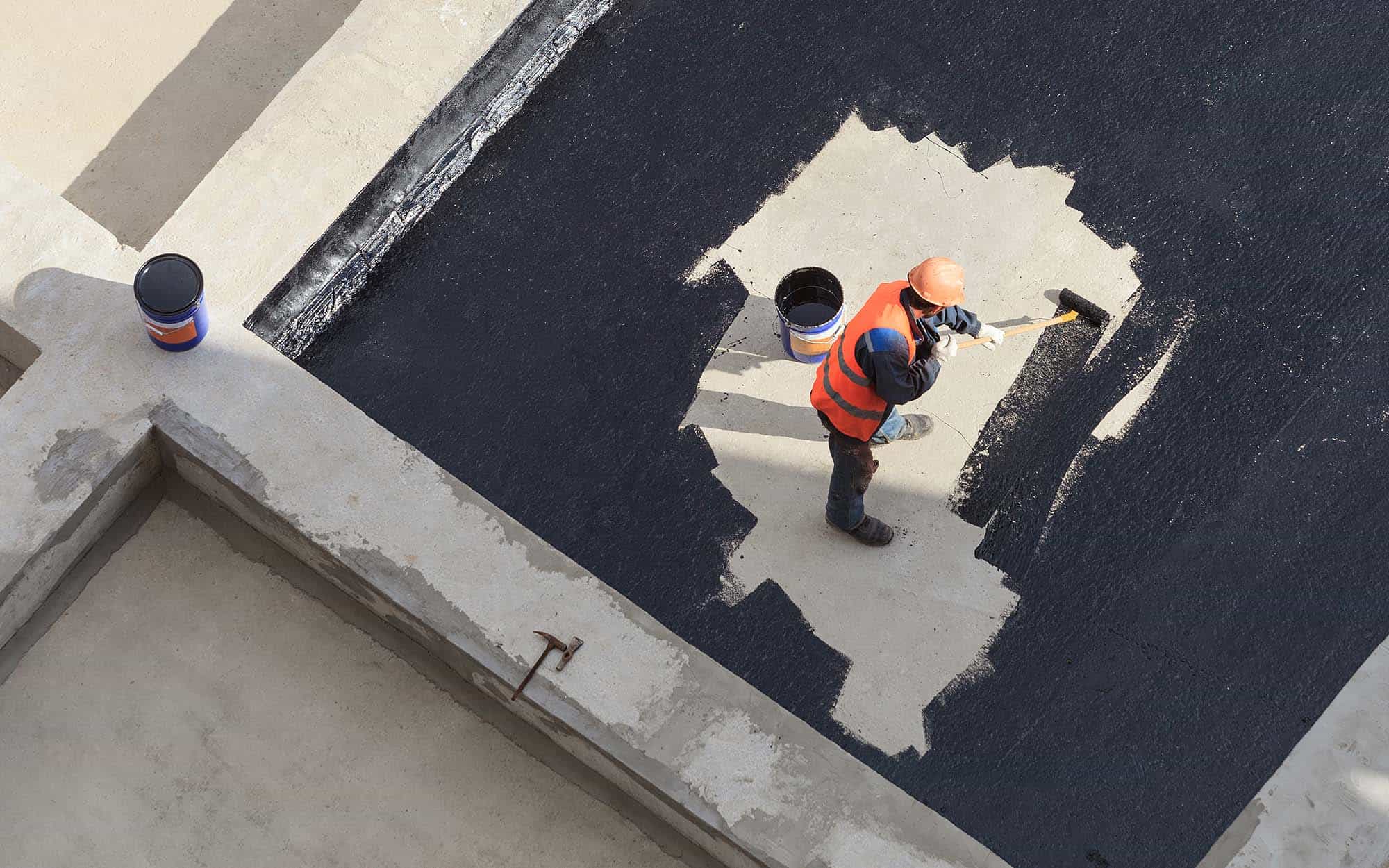
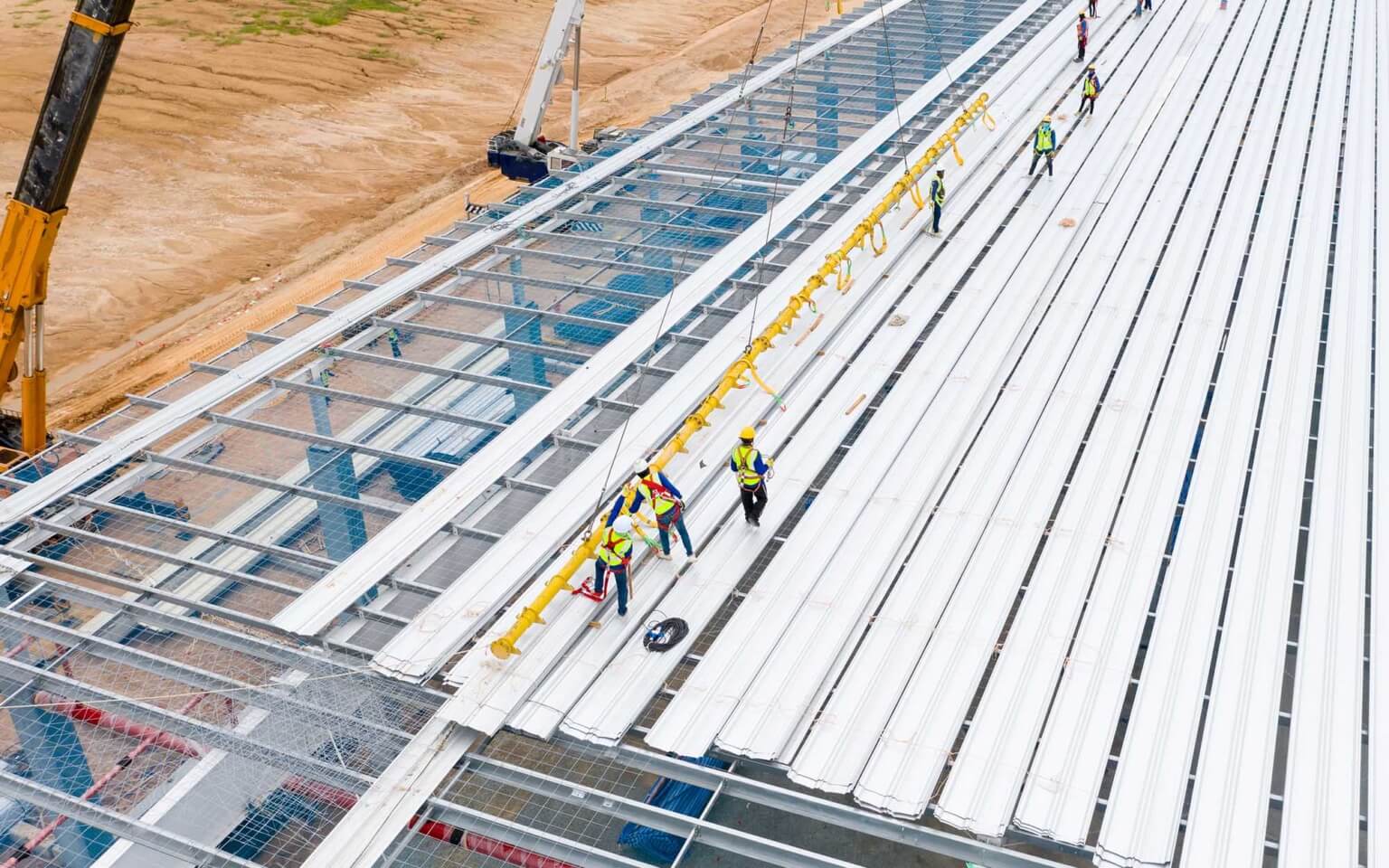
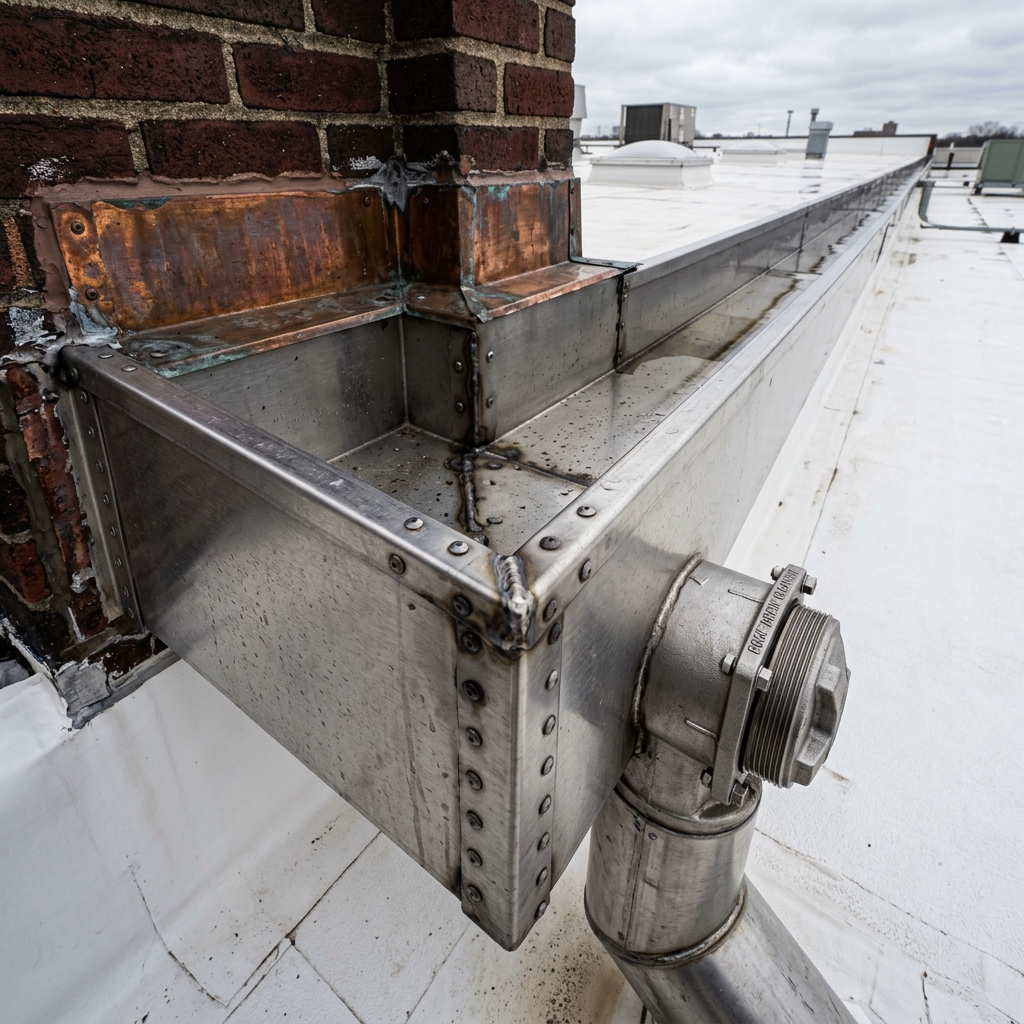
Industrial Roofing Systems
The appropriate system depends on the existing construction, drainage, interior use, rooftop traffic, material compatibility, budget and warranty goals—not material preference alone.
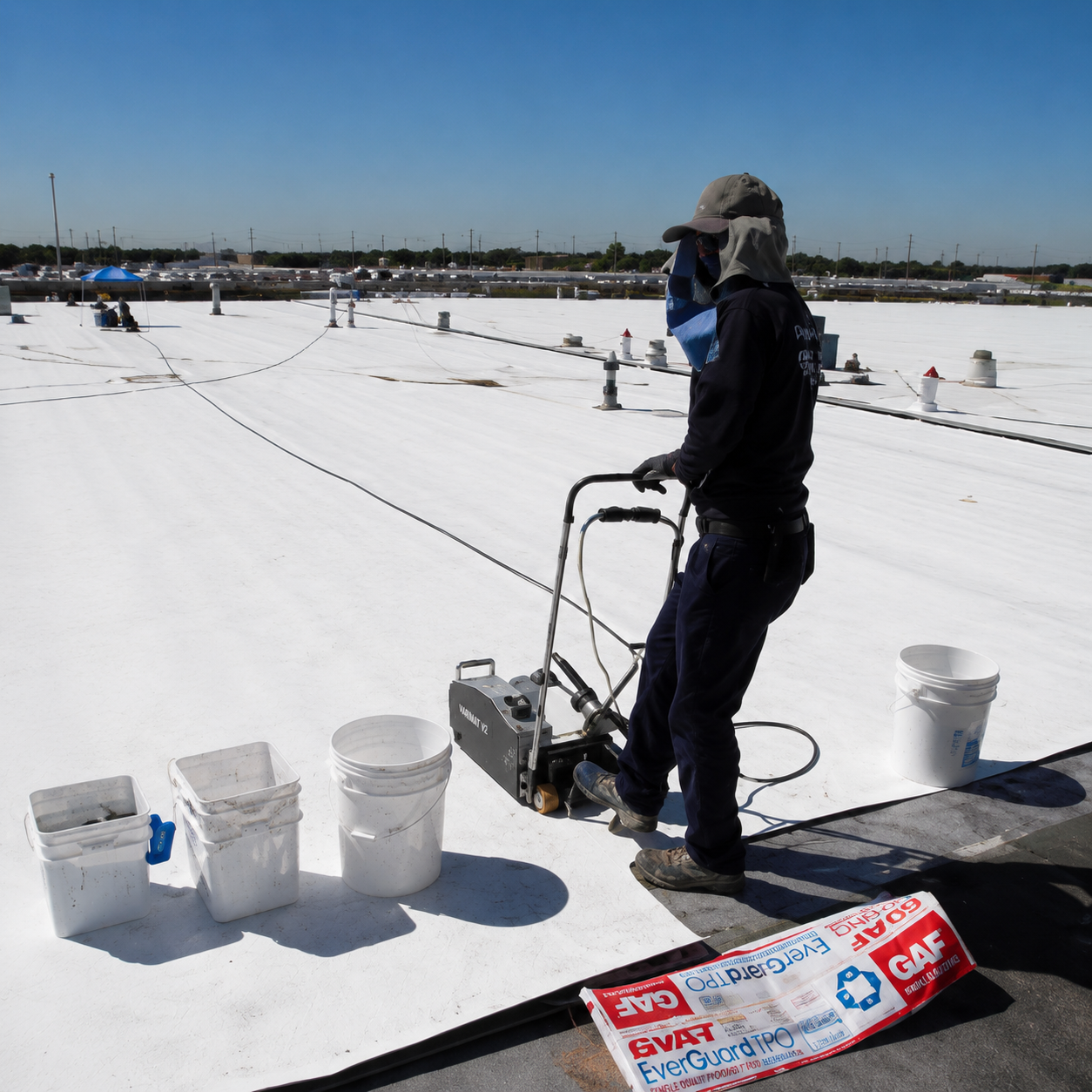
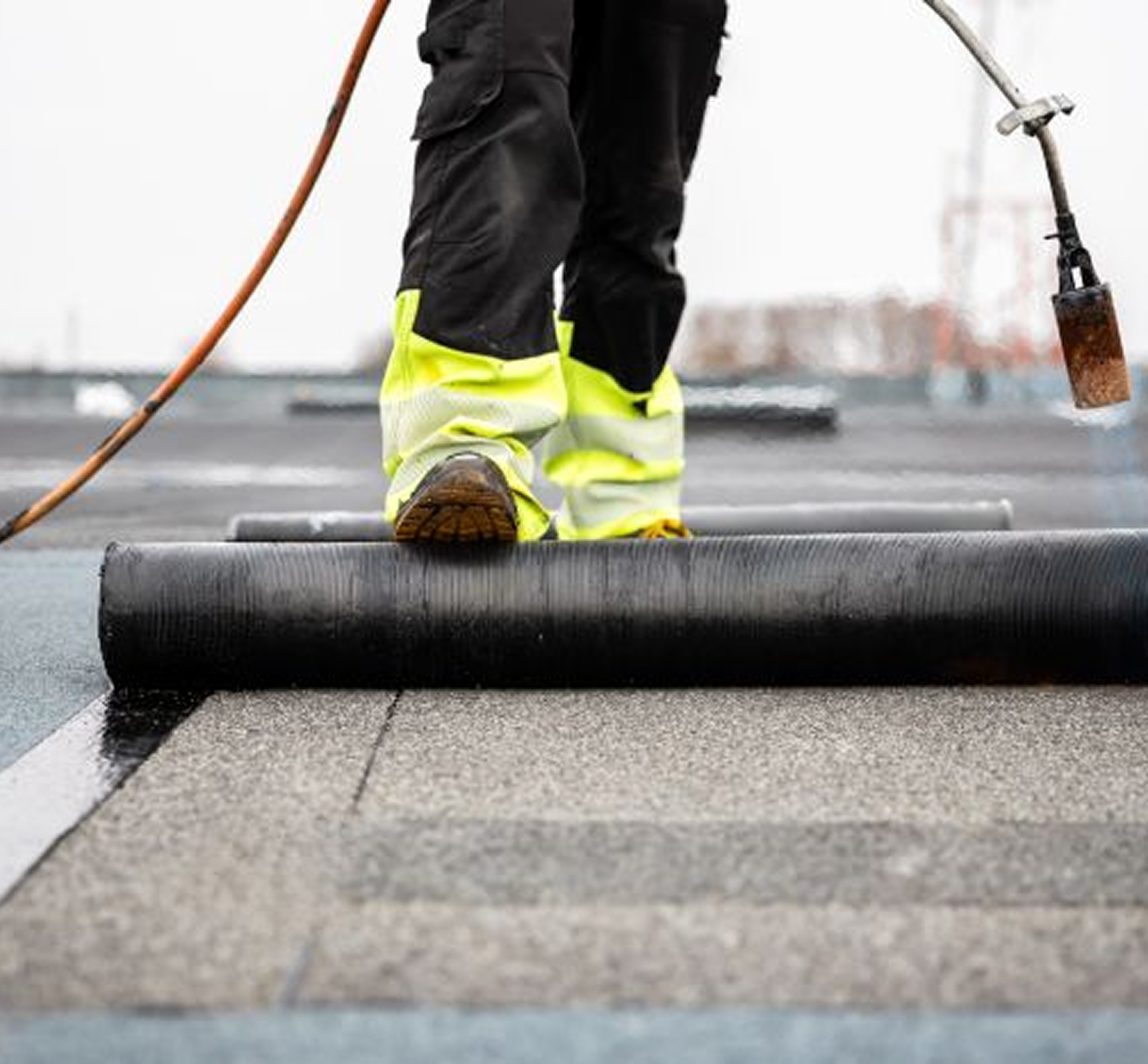
The Low-Risk Choice for Roofing for Over 100 Years!
Roofing isn’t just about materials — it’s about choosing the right contractor.
Over a Century of Stability
Serving Chicagoland since 1917, our roofing company has been built on four generations of ownership with a fifth on the way — giving property owners long-term confidence we’ll be here when they need us.
Documentation-Driven Process
Detailed inspections, photos, and clear scopes of work so you always understand what’s being done and why.
Built for Commercial Complexity
From industrial buildings to high-rise properties (up to 30 stories), we handle complex roofing projects with structured planning and execution.
Residential Roofing Done Right
Clean job sites, respectful crews, and workmanship backed by a 5-year workmanship guarantee and manufacturer warranties.
No Surprises
No hidden costs. No disappearing crews. No confusion. Just a clear process from start to finish.
Financing Options Available
Flexible financing solutions to help you move forward without delay.
Roofing Built for Industrial Facilities in Chicagoland
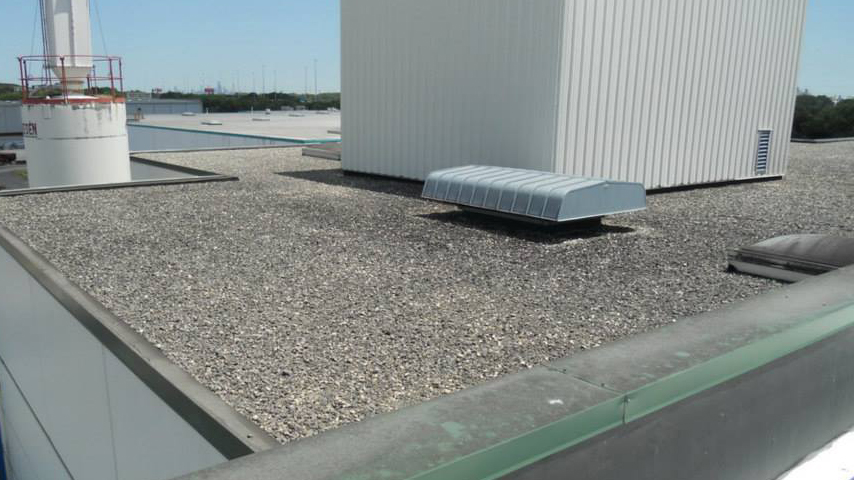
Industrial facilities combine large, exposed roof areas with operations that may be costly to interrupt. A failed drain, open seam or leak around rooftop equipment can affect production, stored materials and interior safety. Industrial roofs throughout Bedford Park, Bolingbrook, Romeoville, Joliet, Bridgeview, Alsip, Midlothian, Naperville and nearby industrial corridors may need to manage:
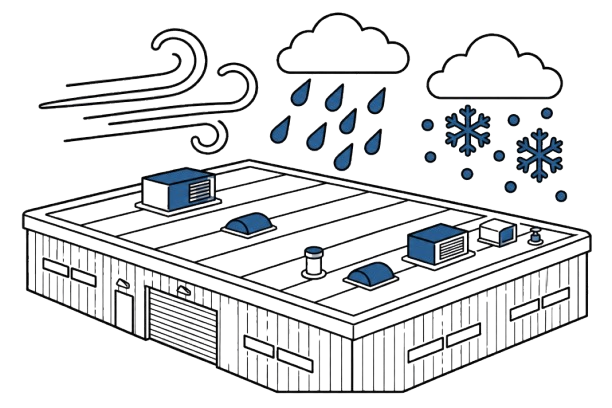
Large roof areas exposed to Midwest weather
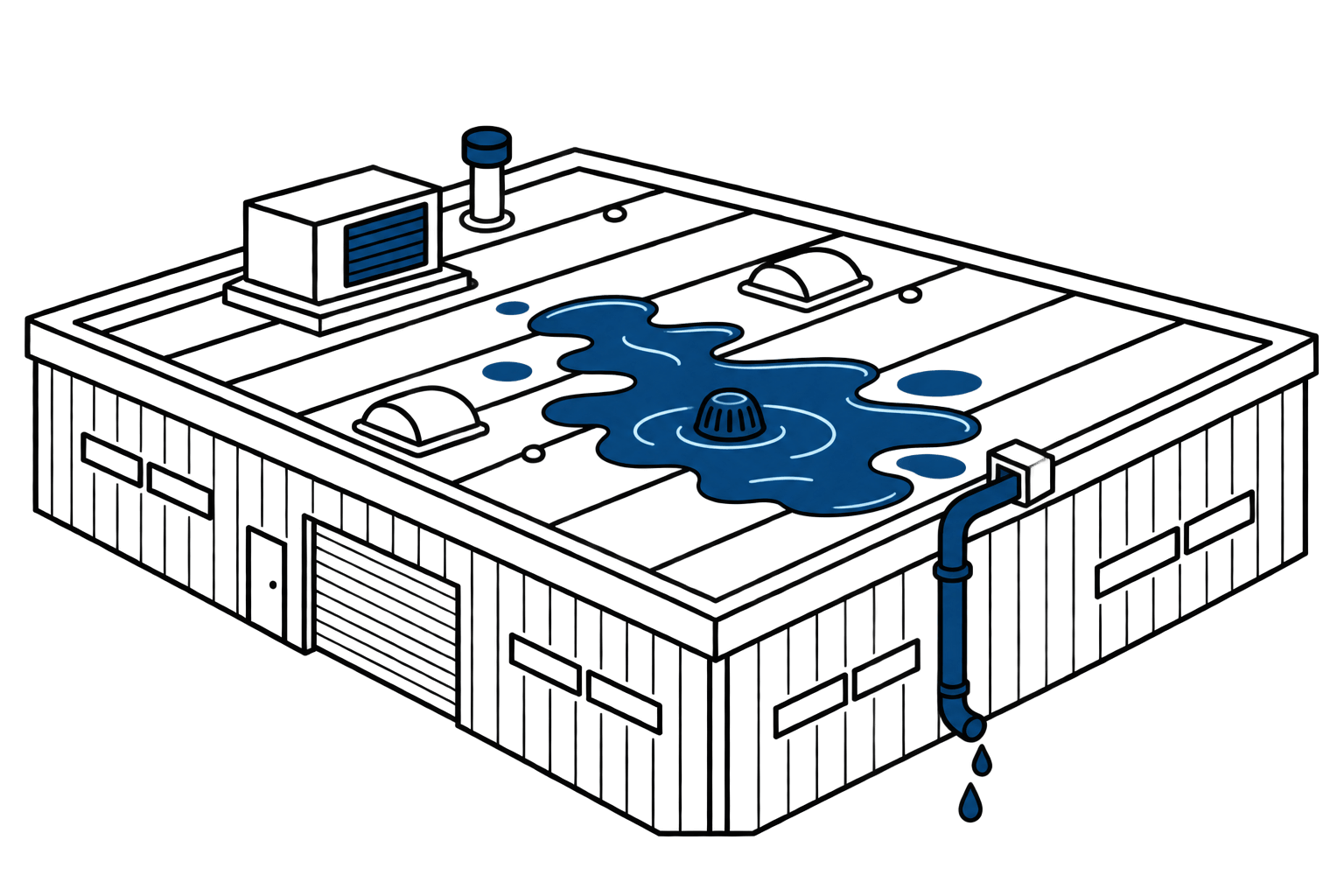
Ponding water and drainage limitations
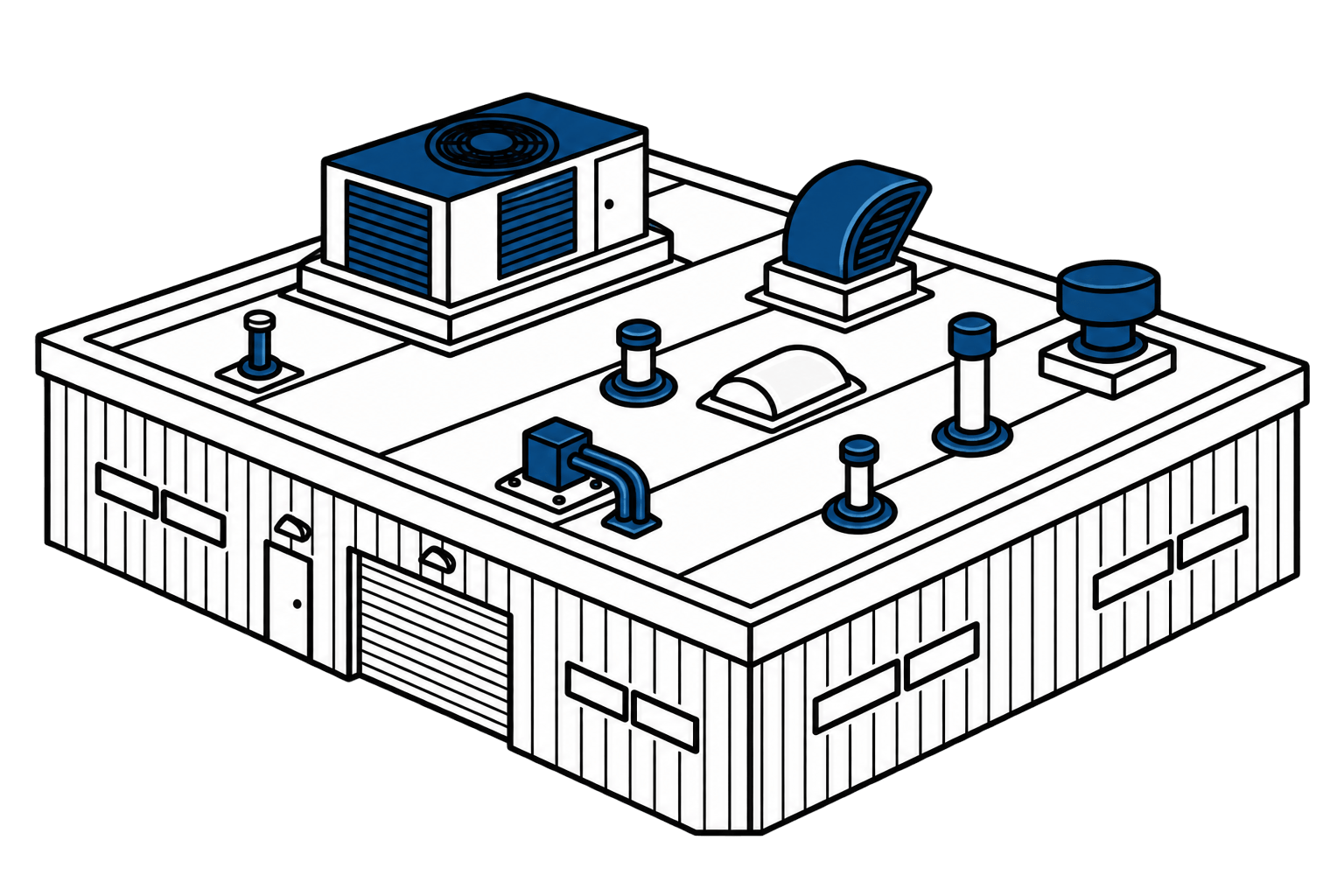
HVAC, exhaust equipment, curbs and penetrations
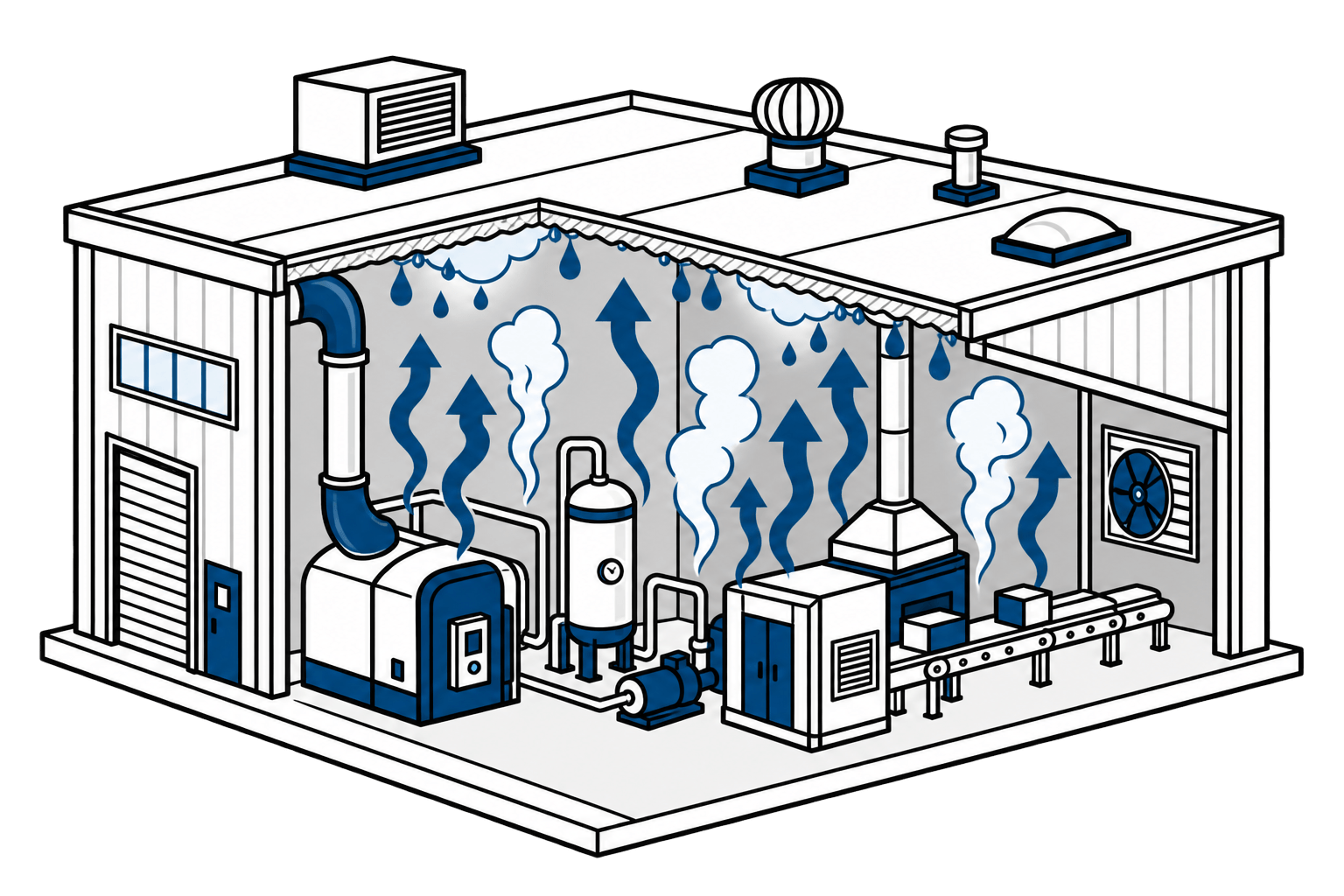
Heat or moisture created by operations below
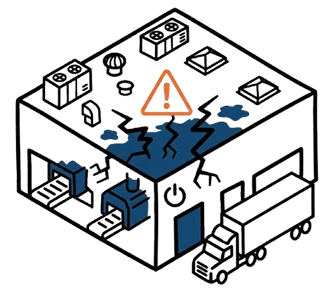
Rooftop maintenance traffic and service access
Loading, delivery and employee activity
Capital planning across one or multiple buildings
Industrial Properties We Serve
Durable Roofing works with owners, property managers, facility directors and asset managers responsible for all these types of commercial and industrial roofs we service. A warehouse storing packaged goods may require a different roofing plan than a plant with process heat, exhaust equipment or sensitive production areas.
Warehouses and distribution facilities
Manufacturing and food-processing plants
Cold-storage and storage buildings
Industrial parks and flex properties
Large commercial and institutional facilities
Multi-building property portfolios
Industrial Roof Project Planning Resource
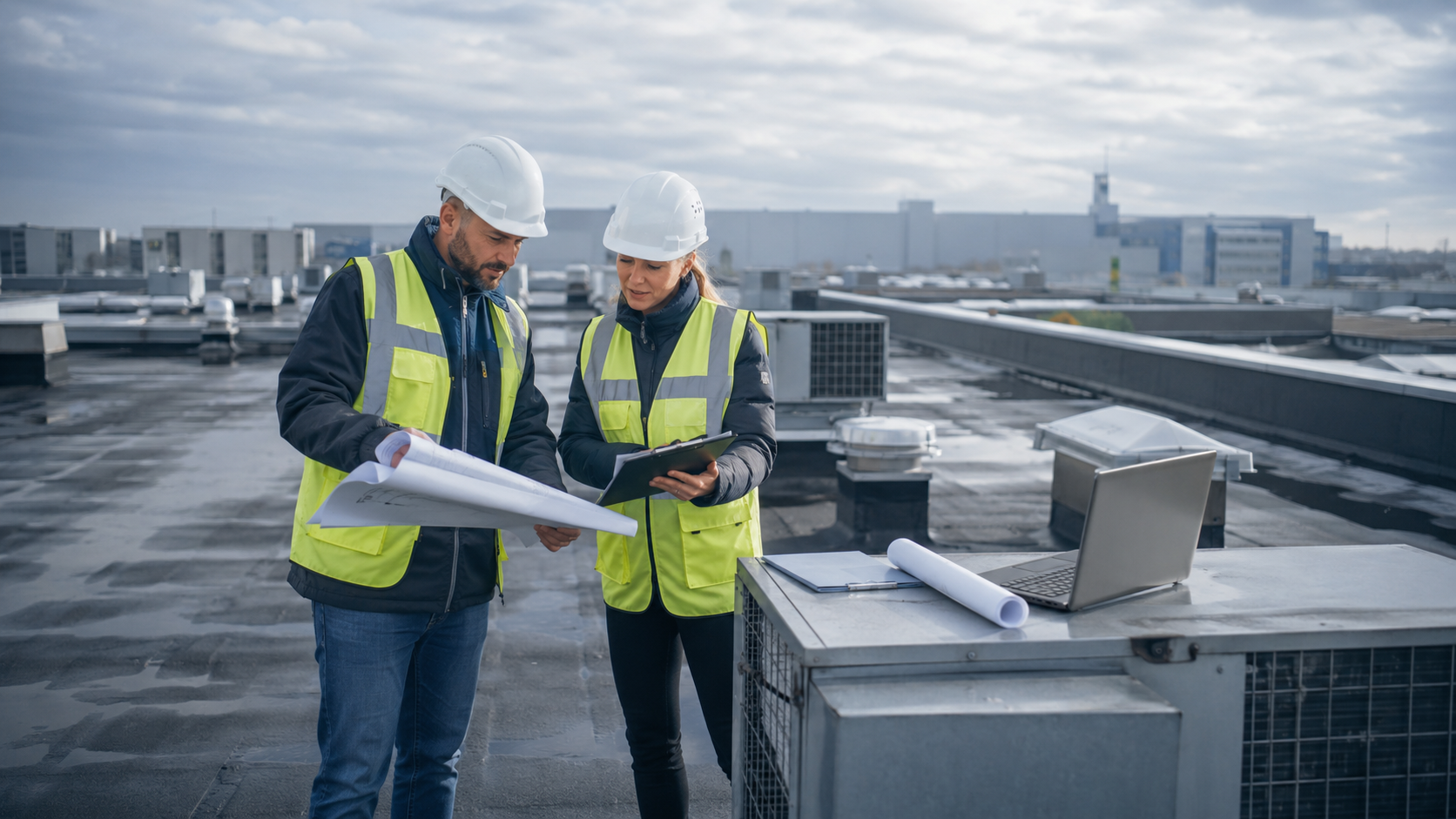
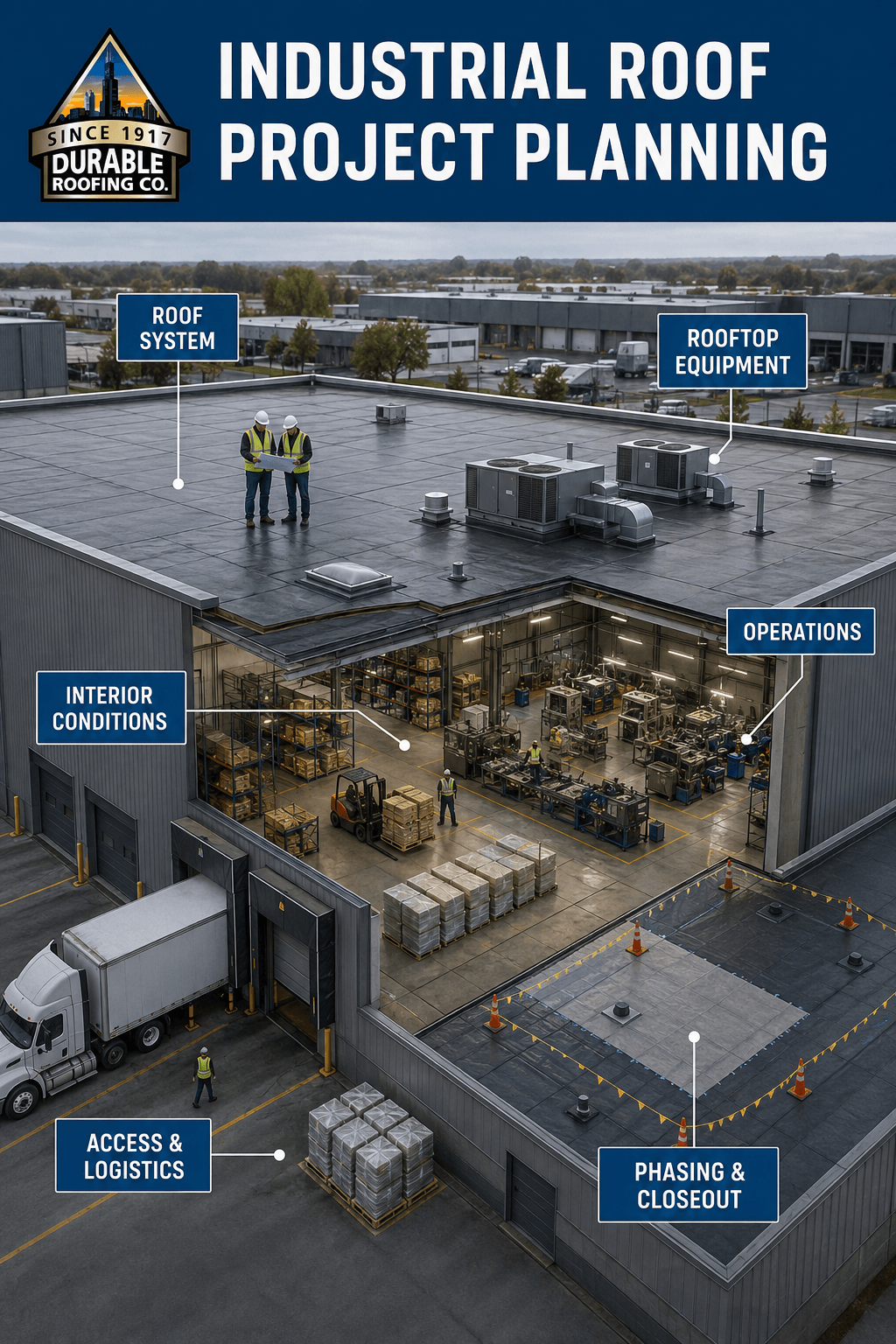
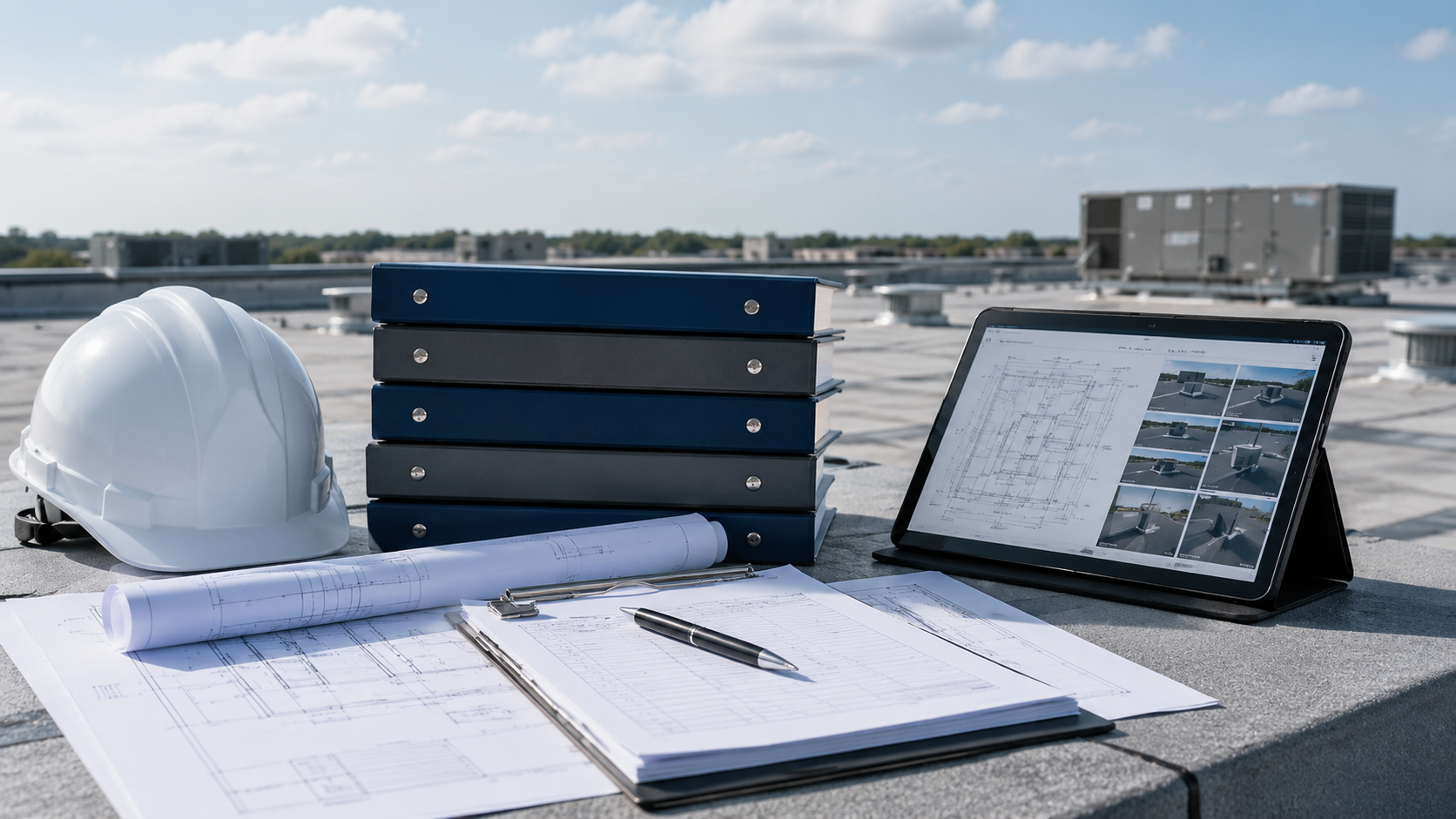
An industrial roof plan should connect existing roof conditions with the way the facility operates. Before the scope and schedule are finalized, building representatives should identify:
- Existing roof construction: System type, roof layers, insulation, deck, drainage and previous work
- Operating windows: Production shifts, loading periods, scheduled shutdowns and areas that cannot be interrupted
- Interior conditions: Inventory, climate-controlled spaces, electrical infrastructure and sensitive equipment
- Rooftop conflicts: HVAC, exhaust, piping, electrical components and work involving other trades
- Access and logistics: Work zones, staging, lifting, disposal, employee access and truck routes
- Phasing and closeout: Work sequence, weather limitations, communication, maintenance needs and warranty records
This commercial roof planning framework helps connect repair, restoration or replacement decisions with the practical requirements of the property.
Warehouse Roof Replacement and Large-Scale Re-Roofing
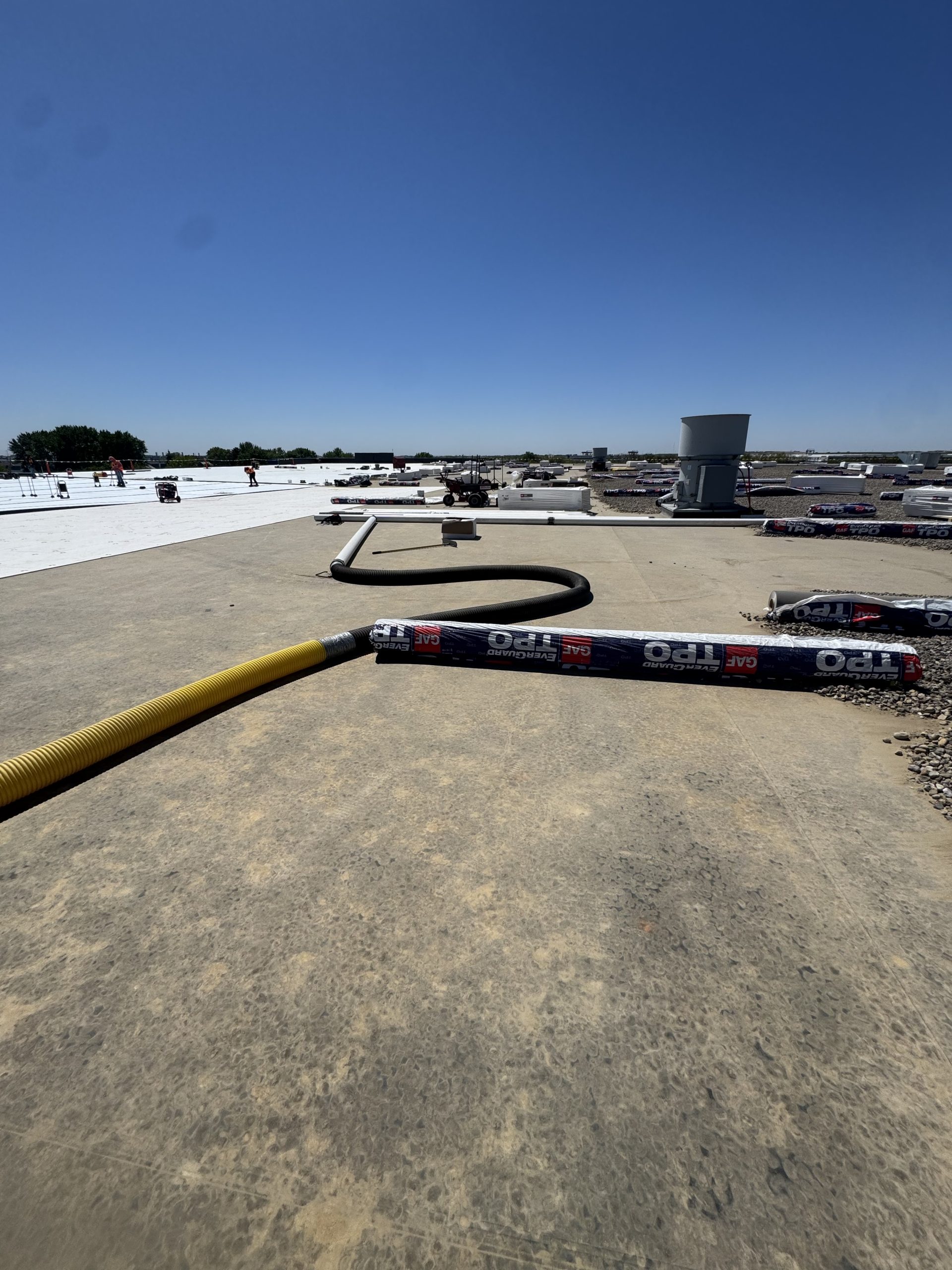
A warehouse roof replacement must account for large roof areas, multiple drainage zones, rooftop equipment and active operations. Planning and sequencing can be as important as installation.
Before recommending replacement or re-roofing, Durable Roofing evaluates:
Before recommending replacement or re-roofing, Durable Roofing evaluates:
- Existing system, roof layers, age and repair history
- Visible or suspected moisture, deck and insulation conditions
- Drainage patterns and areas of ponding water
- Parapets, flashings, curbs and penetrations
- Rooftop equipment and work involving other trades
- Access, staging, lifting and disposal requirements
- Facility schedules and areas that cannot be interrupted
- Applicable requirements and warranty objectives
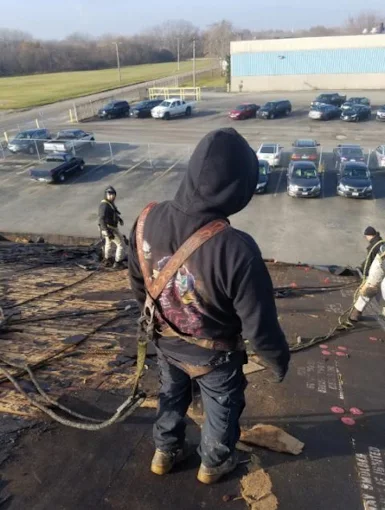
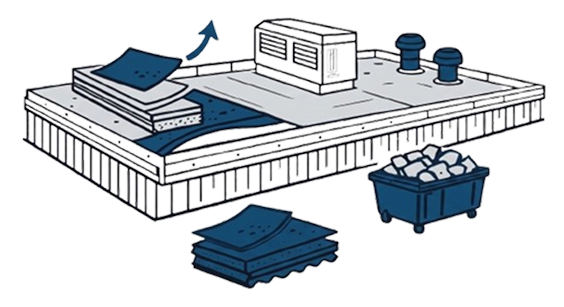
When conditions permit, re-roofing may be considered. Trapped moisture, deterioration, incompatible components or existing roof layers may instead require partial or complete tear-off. Large projects may also be phased around capital budgets, production schedules or the condition of different roof areas.
Industrial Flat Roof Repair and Leak Response
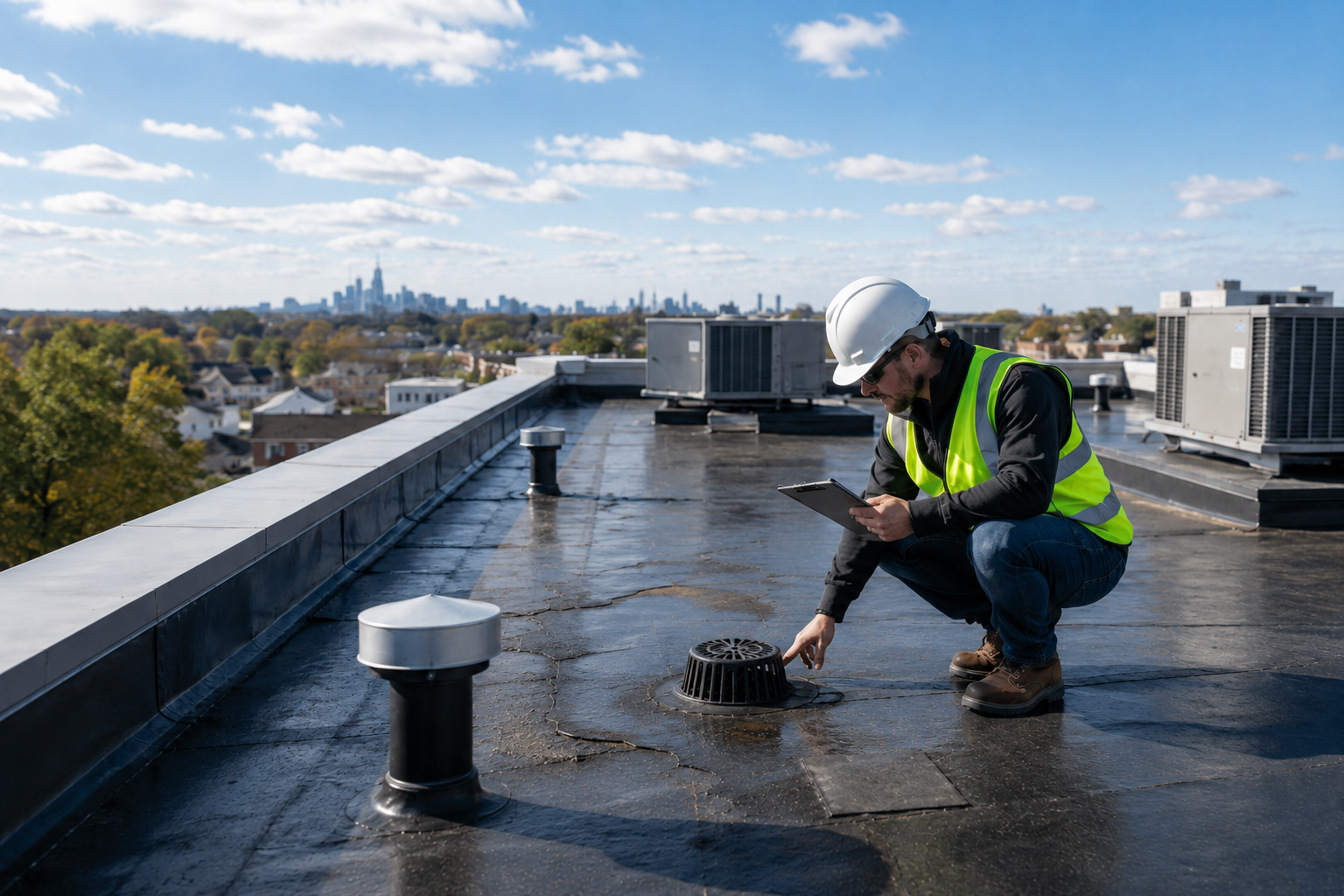
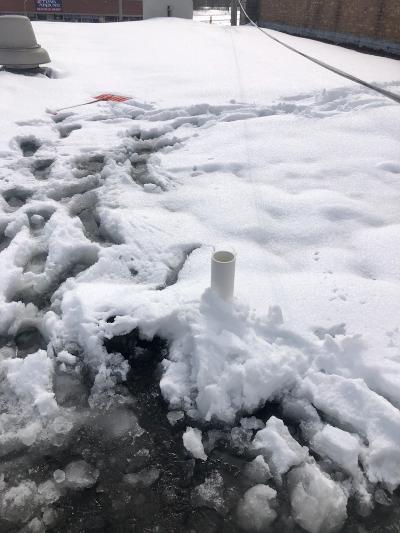
Industrial flat roof repair begins by identifying the likely source of the problem and the conditions contributing to it. Water can travel along the deck, insulation, structural members or mechanical components before becoming visible inside.
Common problem areas include:
Common problem areas include:
- Open seams, punctures or displaced materials
- Wall, curb, sealant and termination details
- Roof drains, scuppers and ponding areas
- Equipment curbs and pipe penetrations
- Previous repairs that are no longer performing
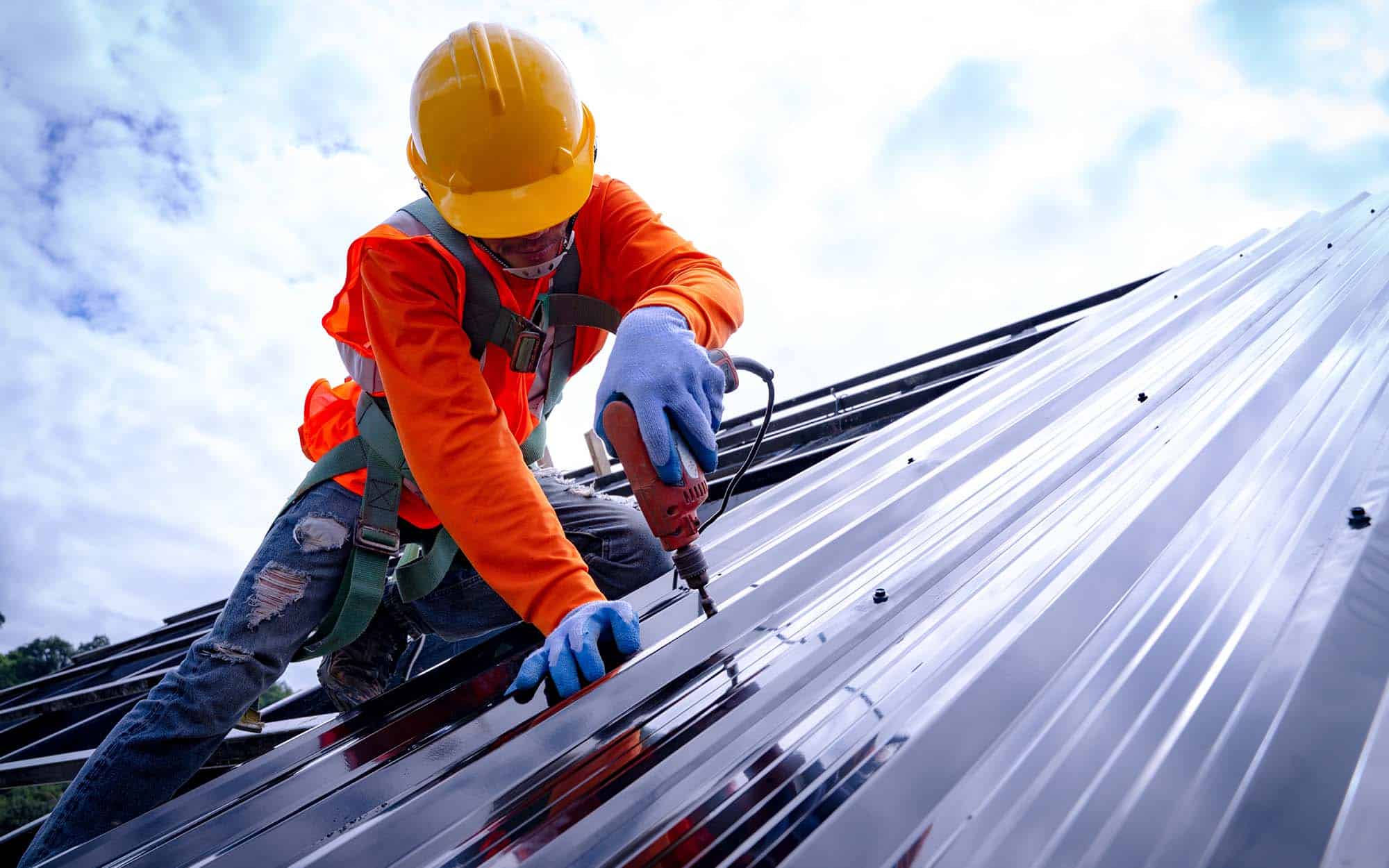
- Metal panels, fasteners and transition details
- Storm-related damage
Durable Roofing documents observed conditions and explains the recommended scope. Widespread deterioration, recurring leaks or multiple failing areas may indicate that restoration or replacement should also be evaluated.
The online estimator is intended primarily for qualifying replacement, re-roofing and configured roofing systems. For leaks, isolated damage or uncertain roof conditions, contact Durable Roofing to discuss the appropriate next step.
Industrial Roof Restoration and Coating Systems
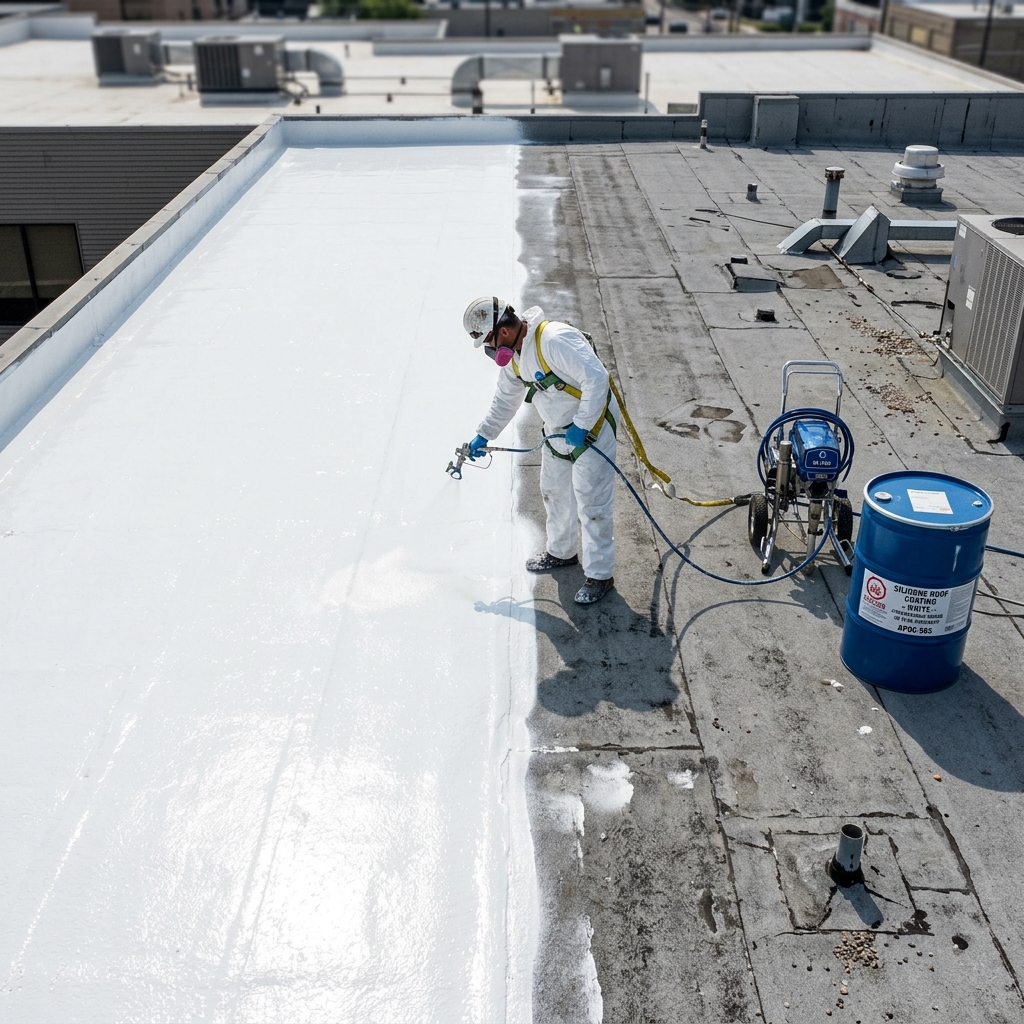
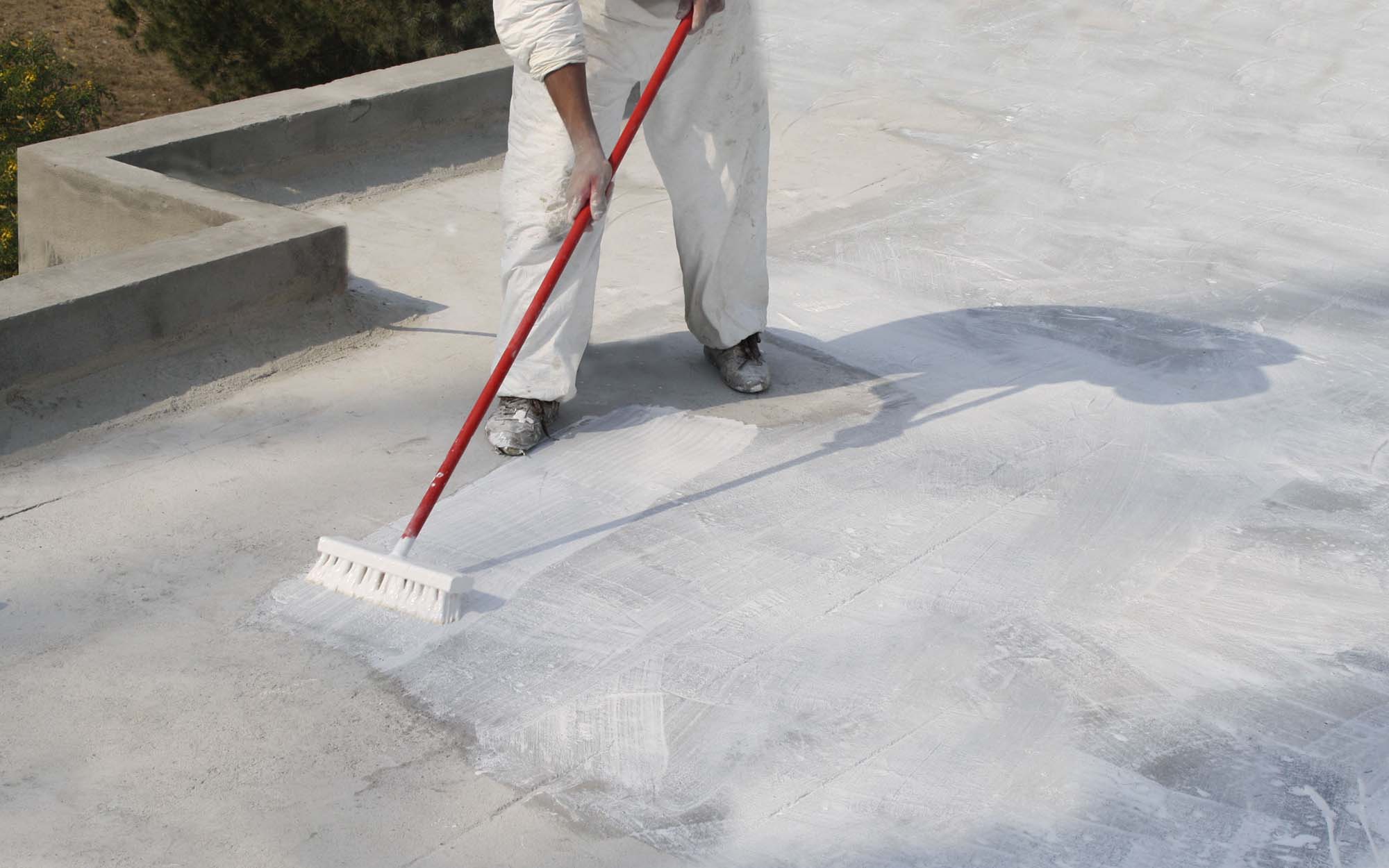
Roof restoration may be considered when an existing roof remains a suitable candidate but needs more than isolated repairs. A coating system can renew the protective surface and extend the service period of an eligible roof without complete removal.
Before recommending restoration, Durable Roofing considers:
Before recommending restoration, Durable Roofing considers:
- Existing system, attachment and surface condition
- Moisture or deterioration within the assembly
- Seams, flashings, curbs and penetrations
- Drainage and recurring ponding water
- Required repairs, preparation and product compatibility
- Expected service period and warranty goals
A coating is not a substitute for correcting widespread moisture, an unsound deck or an unsuitable roof. Because eligibility and preparation cannot be determined from aerial measurements alone, restoration requires a project-specific conversation.
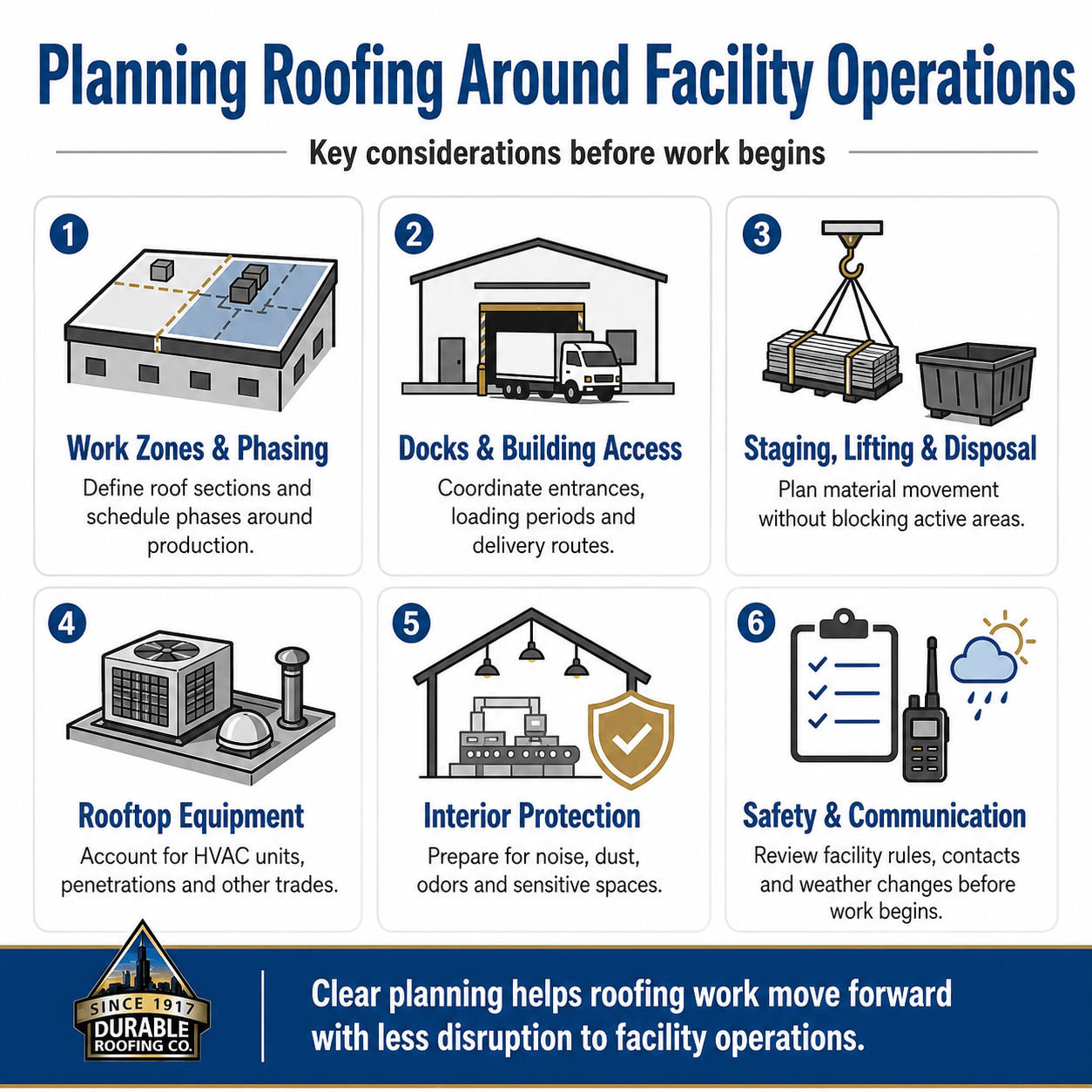
Planning Roofing Work Around Facility Operations
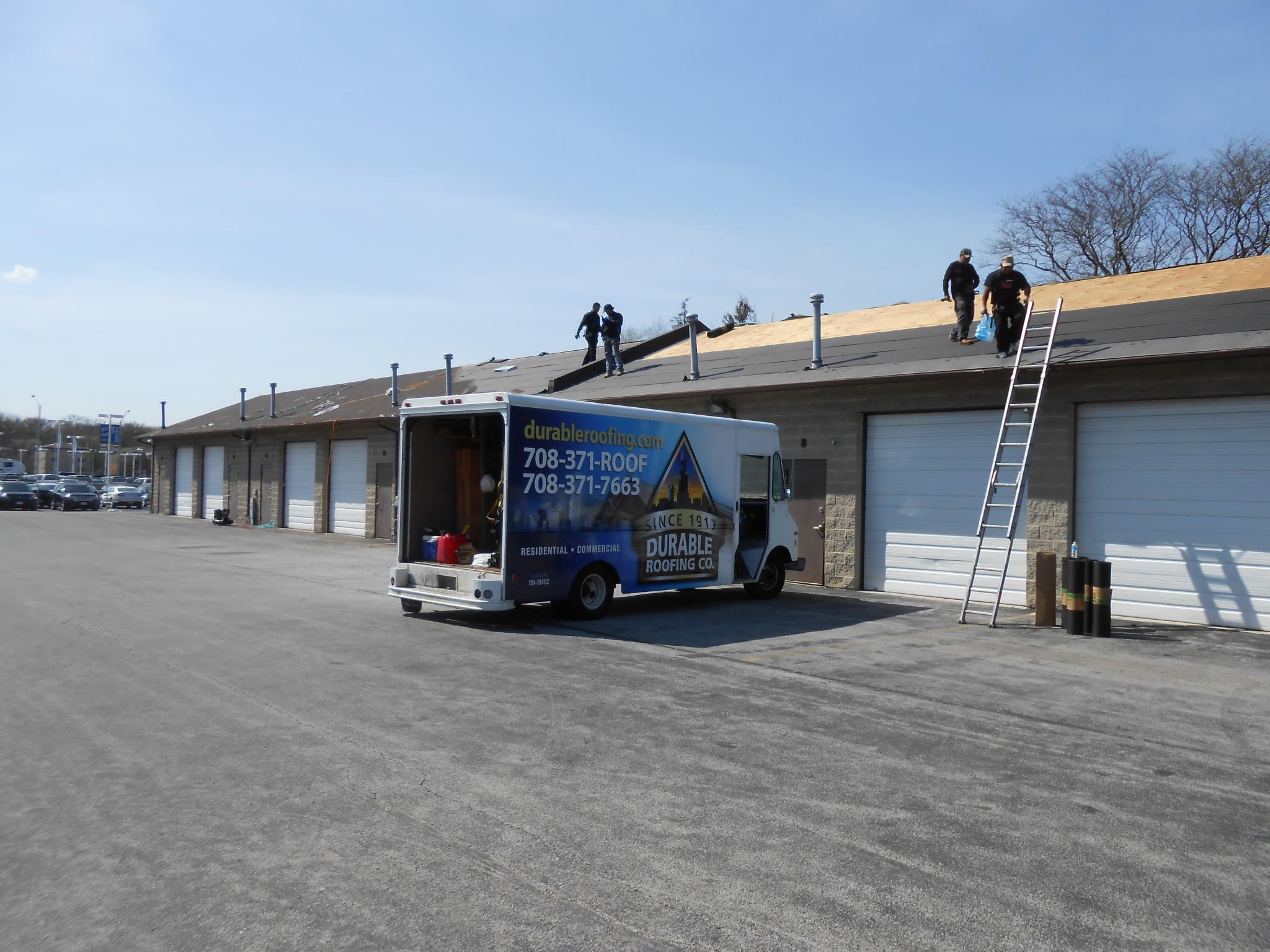
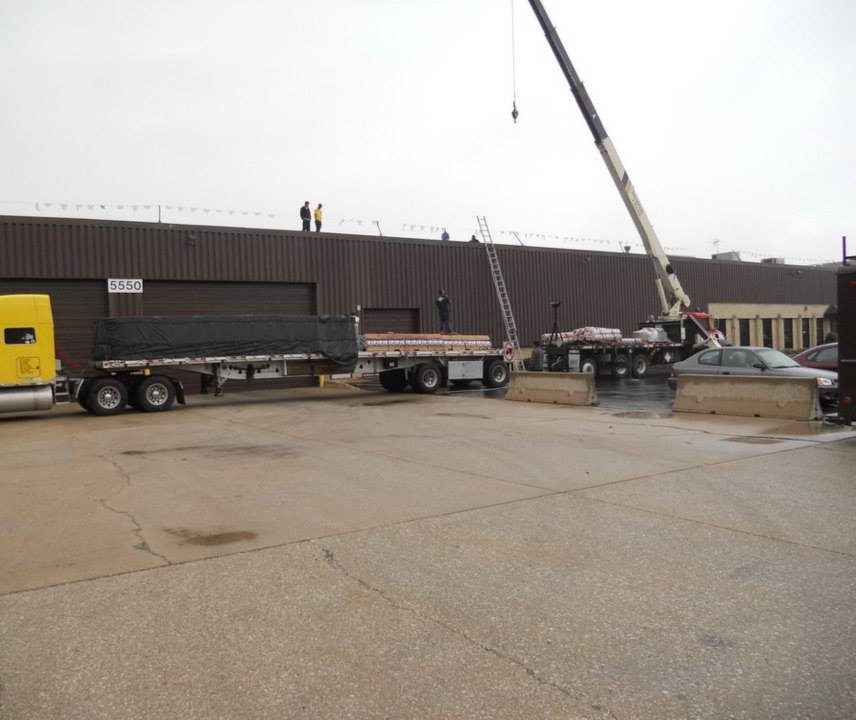
Industrial roofing work often occurs while employees, equipment, deliveries and production remain active. Planning should identify how the work could interact with those operations before the schedule is finalized.
Depending on the facility and scope, planning may address:
Depending on the facility and scope, planning may address:
- Work zones and phased scheduling
- Loading docks, delivery periods and building access
- Material staging, lifting and disposal
- Rooftop equipment and coordination with other trades
- Noise, odors, dust and interior protection
- Communication, weather changes and sensitive work areas
Durable Roofing follows applicable industry safety standards and reviews project-specific access, facility rules and operating conditions before work begins.
How Much Do Industrial Roofing Services Cost?
Durable Roofing’s current online estimator provides preliminary planning ranges from approximately $6.45 to $14.45 or more per square foot for configured industrial roof systems. The actual cost depends on the measured roof area, system type and complete project scope. Existing roof layers, tear-off requirements, wet materials, insulation, deck condition, drainage, rooftop equipment, access, scheduling and warranty requirements can substantially affect the final price.
| Roofing system | Preliminary planning range |
|---|---|
| TPO roofing | $6.70–$12.50 per sq. ft. |
| EPDM roofing | $6.80–$13.25 per sq. ft. |
| Modified bitumen roofing | $6.45–$13.30 per sq. ft. |
| Metal roofing | $7.00–$14.45+ per sq. ft. |
The lower end may reflect a qualifying re-roof or less complex configuration. The upper end may reflect tear-off, roof slope, metal profile or a more involved scope. The configured TPO, EPDM and modified-bitumen options produce an initial planning range of approximately 129,000–266,000 for a 20,000-square-foot roof. This is an early budgeting example, not a fixed package price.
*These figures are not final quotes, guaranteed prices or claimed Chicagoland market averages. Final pricing is confirmed only after Durable Roofing verifies the measurements, existing conditions, selected system, access, applicable requirements and complete scope. PVC, built-up roofing, coatings, repairs, unusual assemblies and systems not available in the estimator require a project-specific conversation.
Industrial Roof Maintenance and Capital Planning
Preventative roof maintenance can identify development needs earlier and create a condition history for repair decisions, warranty requirements and capital planning.
Industrial roof maintenance may include:
- Scheduled visual inspections
- Drain, scupper and debris clearing
- Membrane, metal, flashing and penetration reviews
- Repair tracking and photo documentation
- Preventative repairs
- Condition reporting and future recommendations
Maintenance cannot eliminate every leak or prevent an aging roof from requiring replacement. It can help owners document recurring problems and prioritize work across roof sections or multiple buildings.
A Clear, Documented Industrial Roofing Process
1
Inspection and Documentation
Our commercial roofing documentation includes accessible roof conditions, drainage, equipment, access and reported interior concerns.
2
Roof Evaluation and Recommendations
We explain which repair, maintenance, restoration, re-roofing or replacement options should be considered.
3
Detailed Scope and Pricing
The proposal identifies the system, work, materials, exclusions, allowances, access, scheduling and warranty information.
4
Scheduling Around Operations
The schedule is coordinated with facility representatives around production, deliveries, access and rooftop equipment.
5
Professional Installation and Project Management
Crews and supervisors manage the approved work, communication, site conditions, progress documentation and necessary changes.
6
Final Review and Warranty Documentation
Closeout may include completion photographs, warranty information, manufacturer documents and maintenance recommendations.
Your Go-To Chicago Roofing Company
Trusted by Property Owners Across Chicagoland






















Serving the Southwest Chicago Suburbs & Surrounding Areas
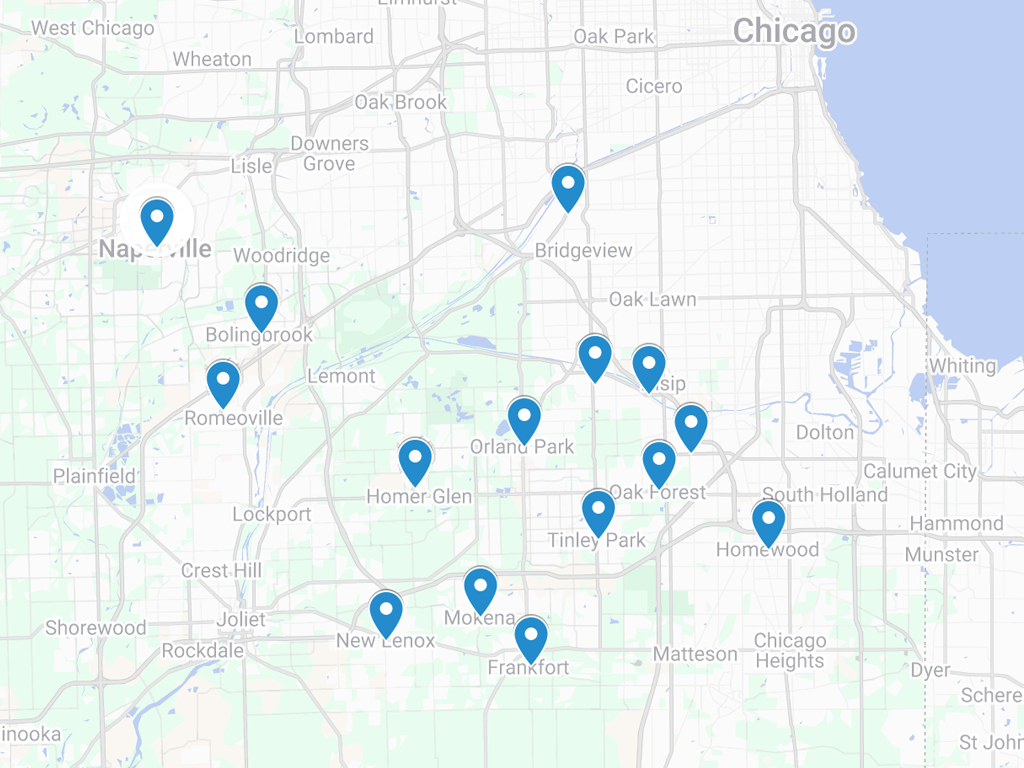
- Midlothian
Tinley Park
Orland Park
- Frankfort
- New Lenox
- Oak Forest
- Crestwood
- Palos Heights
- Mokena
- Homewood Bedford Park
- Bolingbrook
- Naperville
- Homer Glen
- Romeoville
Frequently Asked Questions
Can an industrial building remain operational during roofing work?
Many industrial buildings remain occupied or operational during roofing projects. Whether normal operations can continue depends on the scope, access, interior conditions, equipment and facility requirements. Durable Roofing coordinates with designated building representatives and may use phased scheduling or defined work zones to reduce avoidable disruption whenever practical.
How do I know whether a warehouse roof should be repaired or replaced?
The decision depends on roof age, leak history, deterioration, moisture, deck and insulation conditions, drainage, previous repairs and long-term ownership plans. Isolated problems may be repairable. Widespread deterioration or recurring failures may justify restoration, phased replacement or complete replacement. A roof evaluation helps identify the practical options.
Can I get an industrial roof quote online?
Yes. Durable Roofing’s online roof estimator supports qualifying flat, low-slope, membrane, modified-bitumen and metal roofing projects. It provides a preliminary planning estimate rather than a final proposal. Repairs, PVC, built-up roofing, coatings, unusual assemblies and projects with uncertain conditions require a direct conversation before pricing can be established.
What can change the final cost of an industrial roofing project?
Final cost can be affected by roof size, existing layers, tear-off, disposal, wet materials, insulation, deck repairs, drainage, penetrations, rooftop equipment, building height, access, facility scheduling and warranty requirements. Durable Roofing confirms pricing after the roof conditions and complete scope have been reviewed. Preliminary online figures are not contracts or guaranteed final prices.
What roofing systems are used on industrial buildings?
Industrial properties may use TPO, PVC, EPDM, modified bitumen, built-up roofing, metal roofing or coating systems. The appropriate option depends on the existing assembly, drainage, roof traffic, interior use, environmental conditions, warranty goals and budget. Durable Roofing evaluates these factors before recommending repair, restoration or replacement.
How does Durable Roofing address safety on industrial projects?
Durable Roofing performs roofing work in accordance with applicable industry safety standards. Project planning also considers access, work zones, material staging, facility traffic, rooftop equipment and site-specific operating conditions. Property-specific requirements should be discussed before scheduling so they can be incorporated into the project plan and scope.
Protect Your Facility With a Clear Roofing Plan
Move forward with a defined scope, realistic expectations and a plan built around your facility. Get an online estimate for a qualifying roof system, or speak with an industrial roofing contractor about repairs, coatings, complex roofs and operational requirements.
Trusted Roofing Systems & Manufacturer Partners
We install and work with industry-leading roofing systems trusted for performance, durability, and long-term reliability.